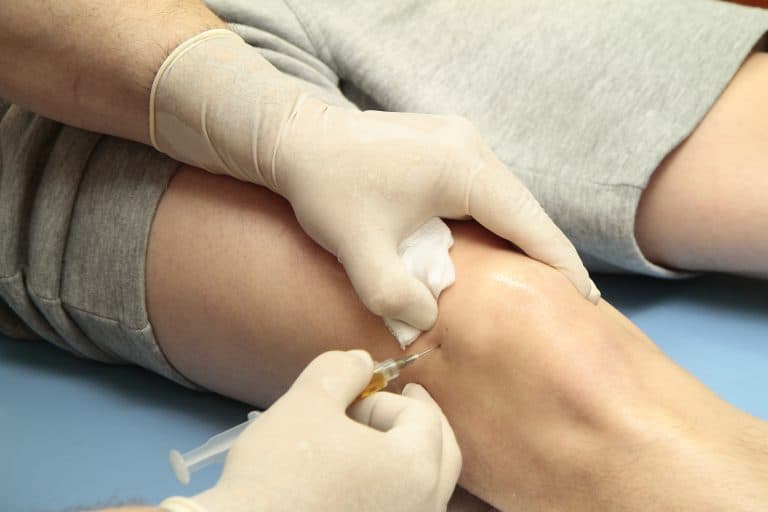



Understanding Ankle Cartilage Damage: Causes, Modern Management, and Patient-Centred Care
Introduction
Cartilage is essential for smooth and pain-free joint movement. In the ankle, this flexible tissue cushions bones, absorbs impact, and allows us to walk, run, and perform daily tasks comfortably. When ankle cartilage is damaged, it can seriously affect mobility, causing pain, stiffness, and reducing quality of life. In this article, we’ll explore the causes and symptoms of ankle cartilage damage, discuss current treatment options, and emphasise the importance of personalised, professional care.
What Is Ankle Cartilage Damage?
Ankle cartilage damage means the injury or breakdown of cartilage—the smooth tissue covering the bones inside the ankle joint. This cartilage prevents bones from grinding against one another, reducing friction and wear. When it deteriorates, the joint doesn’t work as well.
Damage can happen due to sudden injuries like sprains or fractures, often from sports or accidents. Repeated stress or everyday wear and tear can also gradually thin the cartilage. Certain conditions, like haemophilia, with repeated joint bleeds, can further harm cartilage. For example, research shows that “ankle cartilage damage due to repeated joint bleeds often leads to altered gait in adult patients with haemophilia” (Eerdekens et al., 2020). Another common cause is osteoarthritis, where inflammation slowly degrades joint structures.
Interestingly, although damage to ankle cartilage does occur, “osteoarthritis rarely develops in the ankles, suggesting that ankle cartilage can up-regulate mechanisms to repair the damaged matrix” (Aurich et al., 2005). This means the ankle may have an impressive ability to heal itself compared to other joints.
Typical symptoms develop gradually and include ongoing pain, swelling, stiffness, and a feeling that the ankle might buckle or ‘give way’.
Free non-medical discussion
Not sure what to do next?
Information only · No medical advice or diagnosis.
Recognising Symptoms and Seeking Diagnosis
Spotting the early signs of ankle cartilage damage is vital. If you experience pain that worsens with movement, swelling, reduced mobility, or instability, it’s important to seek assessment.
Early diagnosis helps prevent the problem from worsening and guides effective treatment. Doctors usually conduct a thorough physical examination and use imaging tools. Magnetic resonance imaging (MRI) is especially useful as it reveals detailed pictures of cartilage and soft tissues.
Recent studies on X-rays found that “the positive predictive value of cartilage damage increased from 77% for medial joint space narrowing regardless of the presence of talar tilting to 98% for medial joint space narrowing with talar tilting” (Moon et al., 2010). This means certain changes seen on X-rays strongly suggest cartilage damage, especially when combined with specific joint positioning.
During your consultation, expect a full discussion about your symptoms, medical history, and physical checks. Self-diagnosis is discouraged; professional evaluation is key to accurate diagnosis and effective care.

Management and Treatment Options
Treating ankle cartilage damage often requires a tailored approach combining several strategies.
Conservative care usually comes first, involving physical therapy to strengthen muscles around the ankle, improve stability, and restore movement. Customised exercise programmes designed by therapists help reduce pain and improve function.
Lifestyle choices are just as important. Managing your weight reduces pressure on the joint, while wearing supportive, cushioned footwear protects the ankle during activities. Avoiding high-impact sports can prevent further damage. Some people try supplements like glucosamine or chondroitin, but evidence on their benefits is mixed, so it’s best to consult a healthcare provider before starting them.
In specific cases such as haemophilia-related damage, “all biomechanical variables of the ankle joint were significantly lowered in patients with severe blood-induced ankle cartilage damage compared with both control subjects and those without such damage. No compensatory biomechanical function was observed in other foot joints” (Eerdekens et al., 2020). This highlights how cartilage damage can affect overall joint mechanics.
Another important discovery is the ankle joint’s broad healing response. “This up-regulation of matrix turnover in ankles with degenerative lesions may indicate a physiologic response of the entire articular surface to repair the damaged matrix, which is not restricted to the lesion site” (Aurich et al., 2005). This unique ability might explain why ankle osteoarthritis is less common than in other joints.
If conservative treatments don’t provide enough relief, surgery might be considered. Surgical options range from cartilage repair techniques to more complex procedures for extensive damage. Outcomes vary and recovery can take time, so realistic expectations are essential.
Recovery depends on factors like damage severity and your overall health. Professor Paul Lee, with extensive expertise in orthopaedics and rehabilitation, leads patient care at the London Cartilage Clinic. This specialist centre offers professional evaluations and individualised treatment plans designed around each patient’s needs.
Living Well with Ankle Cartilage Damage: Support and Prevention
Managing ankle cartilage damage goes beyond treatment — it requires daily care and sensible lifestyle changes.
Engaging in low-impact activities such as swimming or cycling helps maintain fitness and joint movement without overloading the ankle. Wearing properly fitting shoes with good cushioning is crucial to protect the joint during everyday use.
Keeping a healthy weight reduces stress on the ankle cartilage, which may slow damage progression. A balanced diet supports overall joint health.
The multidisciplinary support available at the London Cartilage Clinic brings together physiotherapists, orthopaedic specialists, and rehab professionals to help patients achieve their goals and maintain an active, safe lifestyle.
Sticking to regular exercise routines and monitoring symptoms will optimise joint function and help prevent further injuries, allowing many people with ankle cartilage damage to lead fulfilling lives.
Conclusion and Disclaimer
Understanding ankle cartilage damage, recognising symptoms early, and accessing the right care are vital to preserving joint health and mobility. Expert consultation with professionals like Professor Paul Lee at the London Cartilage Clinic can offer accurate diagnosis and patient-focused treatment plans. For personalised medical advice, always consult a qualified healthcare professional.
- Aurich, M., Mwale, F., Reiner, A., Mollenhauer, J., Anders, J., Fuhrmann, R. A., Kuettner, K. E., Poole, A. R., & Cole, A. A. (2005). Collagen and proteoglycan turnover in focally damaged human ankle cartilage: Evidence for a generalized response and active matrix remodeling across the entire joint surface. Arthritis & Rheumatism, 54(1), 244–252. https://doi.org/10.1002/art.21535
- Eerdekens, M., Peerlinck, K., Staes, F., Pialat, J.-B., Hermans, C., Lobet, S., ... & Deschamps, K. (2020). Blood‐induced cartilage damage alters the ankle joint load during walking. Journal of Orthopaedic Research, 38(11), 2419-2428. https://doi.org/10.1002/jor.24715
Moon, J.-S., Shim, J. C., Suh, J.-S., & Woo‐Chun Lee. (2010). Radiographic predictability of cartilage damage in medial ankle osteoarthritis. Clinical Orthopaedics and Related Research, 468(8), 2188–2197. https://doi.org/10.1007/s11999-010-1352-2
Frequently Asked Questions
- Common symptoms include pain, swelling, stiffness, and feeling that the ankle might give way. Early recognition and prompt assessment are key to preventing the problem from worsening. London Cartilage Clinic offers thorough evaluations by Professor Paul Lee, a leading cartilage expert.
- The London Cartilage Clinic provides specialist, personalised care led by Professor Paul Lee, a renowned cartilage expert and surgical ambassador. Patients benefit from his extensive experience in orthopaedics and rehabilitation, receiving assessments and tailored treatment plans in a multidisciplinary setting.
- Professor Paul Lee, with international recognition as a Regional Surgical Ambassador and advisor to the Royal College of Surgeons of Edinburgh, ensures patients receive cutting-edge, evidence-based treatments for cartilage problems. His advanced clinical skills help guide patients through effective management and rehabilitation pathways.
- The clinic offers a comprehensive approach, including conservative management with physiotherapy, rehabilitation, and lifestyle advice. If necessary, surgical interventions are available. Care plans are always tailored to the individual, taking into consideration the latest research and each patient’s unique circumstances.
- Maintaining a healthy weight, wearing supportive footwear, and participating in low-impact exercise all help protect ankle joints. London Cartilage Clinic’s multidisciplinary team supports patients’ long-term mobility with ongoing guidance, aiming to keep joints healthy and active for years to come.
Legal & Medical Disclaimer
This article is written by an independent contributor and reflects their own views and experience, not necessarily those of London Cartilage Clinic. It is provided for general information and education only and does not constitute medical advice, diagnosis, or treatment.
Always seek personalised advice from a qualified healthcare professional before making decisions about your health. London Cartilage Clinic accepts no responsibility for errors, omissions, third-party content, or any loss, damage, or injury arising from reliance on this material.
If you believe this article contains inaccurate or infringing content, please contact us at [email protected].
London Cartilage Clinic
Modern treatments, designed for lasting knee outcomes
Every treatment plan is selected to help you return to the quality of life you deserve. Our team combines up-to-date techniques with consultant-led decision making across cartilage repair, regeneration and replacement.
What your journey can look like
Step 01
Consultant-Led Assessment
Symptoms, imaging and goals reviewed in one structured appointment.
Step 02
Personalised Treatment Plan
A clear route chosen from repair, regeneration or replacement options.
Step 03
Precision Delivery
Modern techniques and specialist equipment matched to your diagnosis.
Step 04
Long-Term Knee Health
Follow-up guidance focused on durable function and quality of life.
Will the Arthrosamid work for me
PAAG-8+ Questionnaire
A bright, structured entry point for patients exploring Arthrosamid. The questionnaire helps frame suitability, expectations, and 24-month clinical benefit discussion before a fuller consultant-led review.
Designed for shared decision-making. It does not replace specialist consultation, examination, imaging review, or formal medical advice.